

By: Anya Sytenkova, Program Director ‘26-’27
The arrival and subsequent first few weeks in Shandia are like stepping into the shimmering gemstone fractals of a kaleidoscope display. From the moment I arrived, an influx of new experiences flooded every one of my senses. Life here is loud, beautiful, difficult, vibrant. Welcoming, curious, colorful, and lively. A few weeks into life here at MPI, I am taking a look back at the whirlwind that my very first week in Shandia was, winding back the scintillating kaleidoscopic moments I can already tell will become treasured memories.
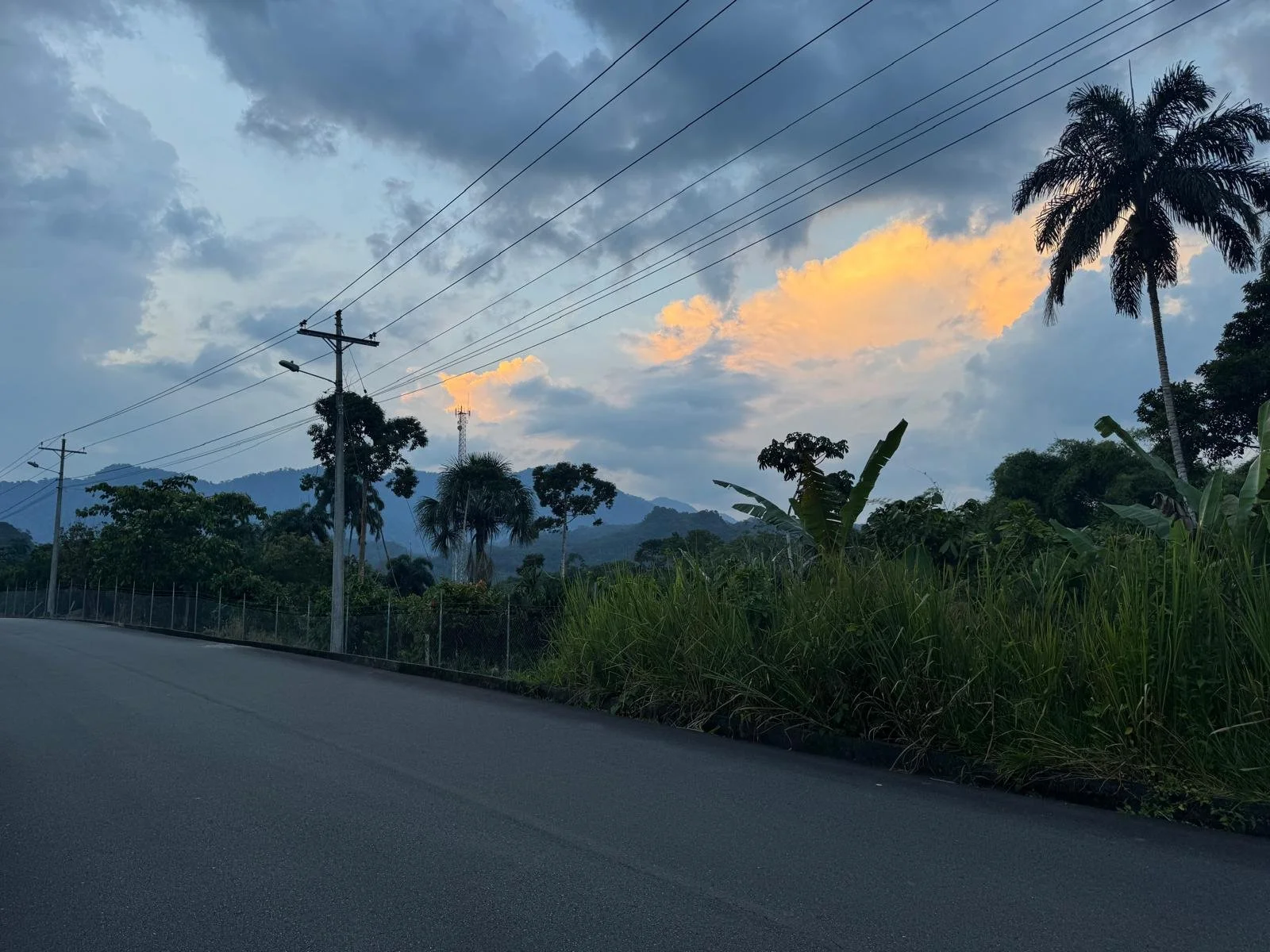
The most striking change in scenery upon arriving in the Amazon Rainforest from Quito is the sudden abundance of green. Tall grasses, draping vines, human-sized leaves, and more kinds of trees than I have ever seen before smatter the rolling mountains that ripple through the Napo Province. My walk to work takes me through this lush greenery, studded like precious jewels with tropical flowers of crimson and fuschia. Round, wide trees tower over the forest canopy, adorned with sack-like nests dangling from their branches: home to the oropendola, little black birds with bright yellow tails that flit and swoop through the wide sky. Continuing the walk, it is common to see cacao seeds laid out along the side of the road by people’s homes, the hot asphalt ideal for drying them to prepare for chocolate production.
As the road gives way to the village of Shandia, I am greeted with wide smiles and eager waves from school children and older community members alike. Pebbled paths weave their way through the school, houses, small shops, and towards the covered bridge that takes me through another expanse of emerald to the river. Tall green trees boast bunches of green fruit – plantains, cacao beans, and what I believe are papayas. Before reaching the riverbank, I can stop to peer into one of the many boxes of bees arranged along the EcoTrail nearby. These bees don’t have stingers, and fly harmlessly all around me as they prepare their honey. Dozens of bees are hard at work inside each box, scurrying in and out of their complex hive creations that look like part-coral reef, part-bubble wrap, all a toasted amber color. Past the bees, the Jatunyacu River surges past. The milky gray-blue water flows fast, whirling, churning over the round stones that line the riverbank. Shaded sheds line the beach area, at which community artisans sell their goods: handmade jewellery, woodwork, decorations, and local chocolate.
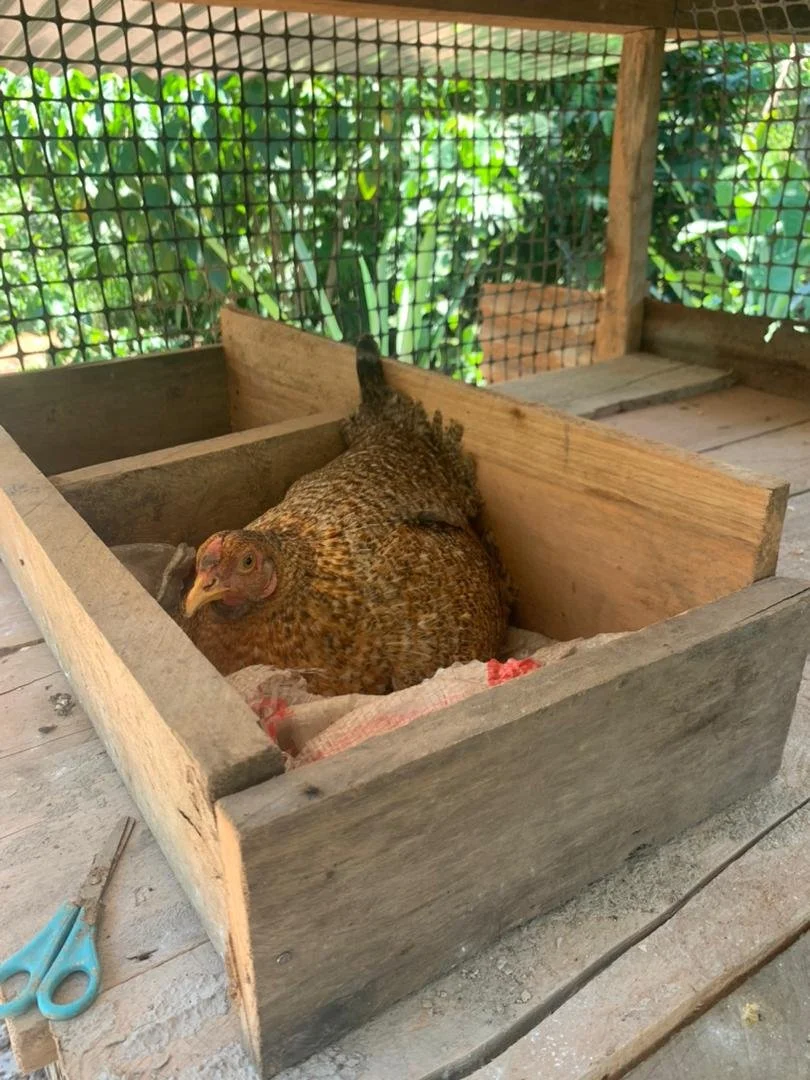
In addition to the sights to see, I was shocked by the abundance and constant presence of a completely new soundscape here. When it rains here, a deafening roar descends upon the house as the water pounds down on the metal roof. It temporarily drowns out all other sound, nature demanding itself to be heard and listened to. I wake up each morning to the sound of roosters crowing, a sound that persists until sundown. With dogs at every corner, barks, squeals, and puppy yelps are also constant sounds, sometimes interspersed by the occasional meow of a cat. The less visible members of the animal kingdom amount just as much noise: crickets and frogs relentlessly trill a continuous drone of croaks and chirps, an aural backdrop louder than anywhere I have experienced before. In the mornings especially, birdsong flows plentifully out of the surrounding forest, comprising enough different sounds to complete a musical scale. Individual squawks; quick consecutive glugs like rippling water; cascading calls flowing melodically, mellifluous honey; syncopated squeaks; caws; coos; hoots.
In Shandia, snippets of Spanish, English, and Kichwa ring out in a stream of constant conversation. I do my best to add to it, practicing my newly learned Kichwa greetings: alli puncha, alli chishi, alli tutta. When the kids arrive at recess, my name is called out by dozens of voices at once, interspersed with laughs, yells, and invitations to play. Adding to the busy cacophony, trucks roll by every so often, all playing different jingles to announce their presence and advertise their goods – jugs of water, gas, ice cream, garbage collection.
The sense of taste has not been overlooked so far either. I have already tried a number of new fruits, my favorite being the granadilla, a fruit in the passionfruit family that I have gladly been eating many a week of. I’ve also gotten to experience the versatility of yuca and plantains, even making and tasting delicious ice cream made with yuca and wayusa (an Amazonian leaf most often used to make tea). Another drink traditional in the Ecuadorian Amazon is chicha – made with fermented yuca, and having a very distinct, pleasantly sour taste. My tastebuds have also been delighted with a number of traditional Ecuadorian meals, including the fish stew called encebollado I ate at a restaurant in Tena, and a number of other soups that I have gotten to try at the Shandia Lodge, where volunteers dine once a week.
The meals we eat there smell as wonderful as they taste. At the lodge, I’ve also gotten to experience the scent of freshly roasted cacao seeds: a delicate, nutty, roasted smell that hints at the rich chocolate paste into which they can be ground. Out in Tena, I’ve also breathed in the enticing aroma of street vendors’ meals: the saltiness of grilled chicken, the savory scent of cheese in fried empanadas, the spices in maito, a traditional dish of tilapia cooked in plantain leaves. Away from the city, I can expect fresh petrichor to envelop the streets after a quick rainstorm at least a few times a week, leaving me feeling like I can almost smell the looming grayness of the swelling clouds themselves.
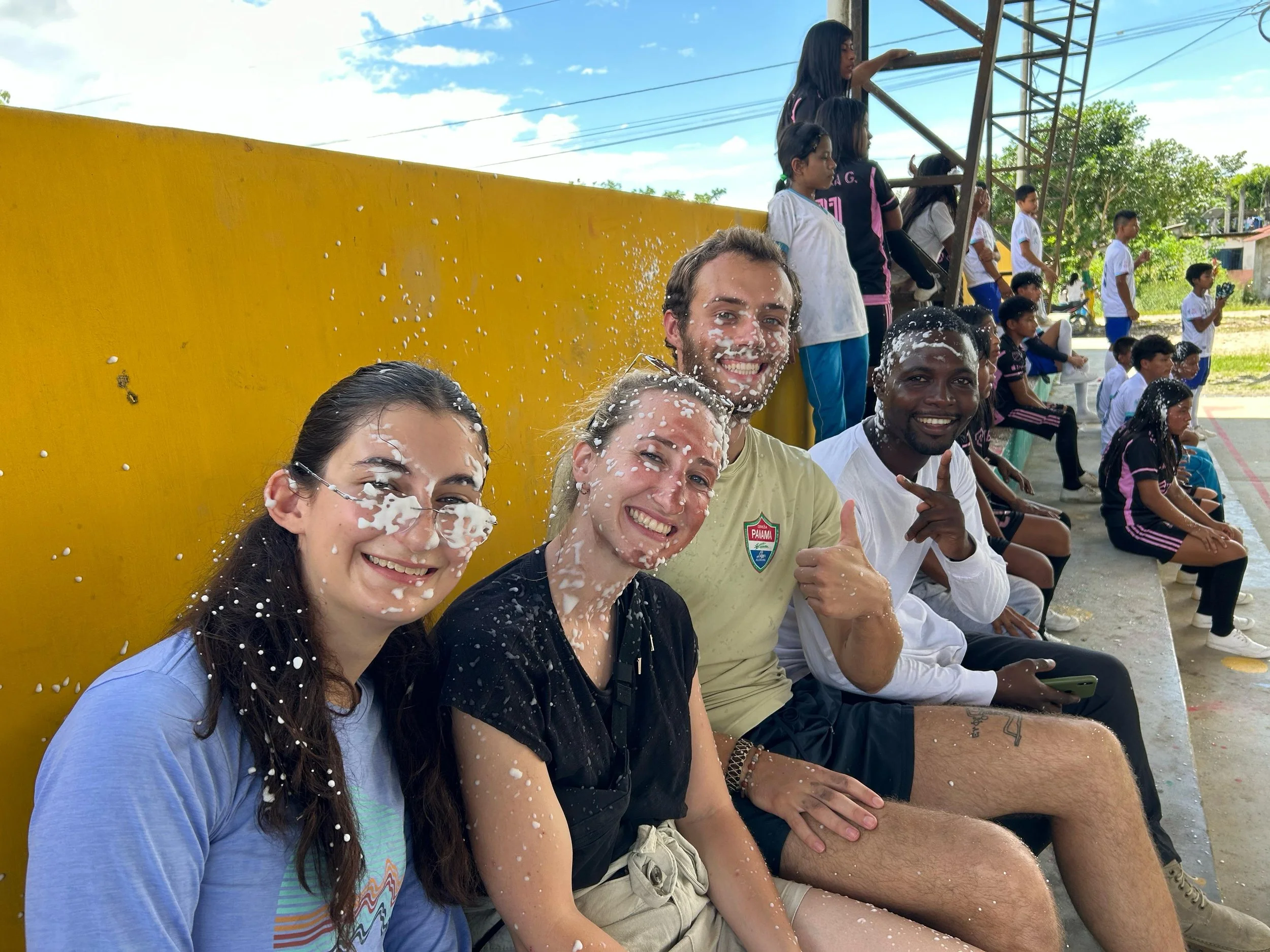
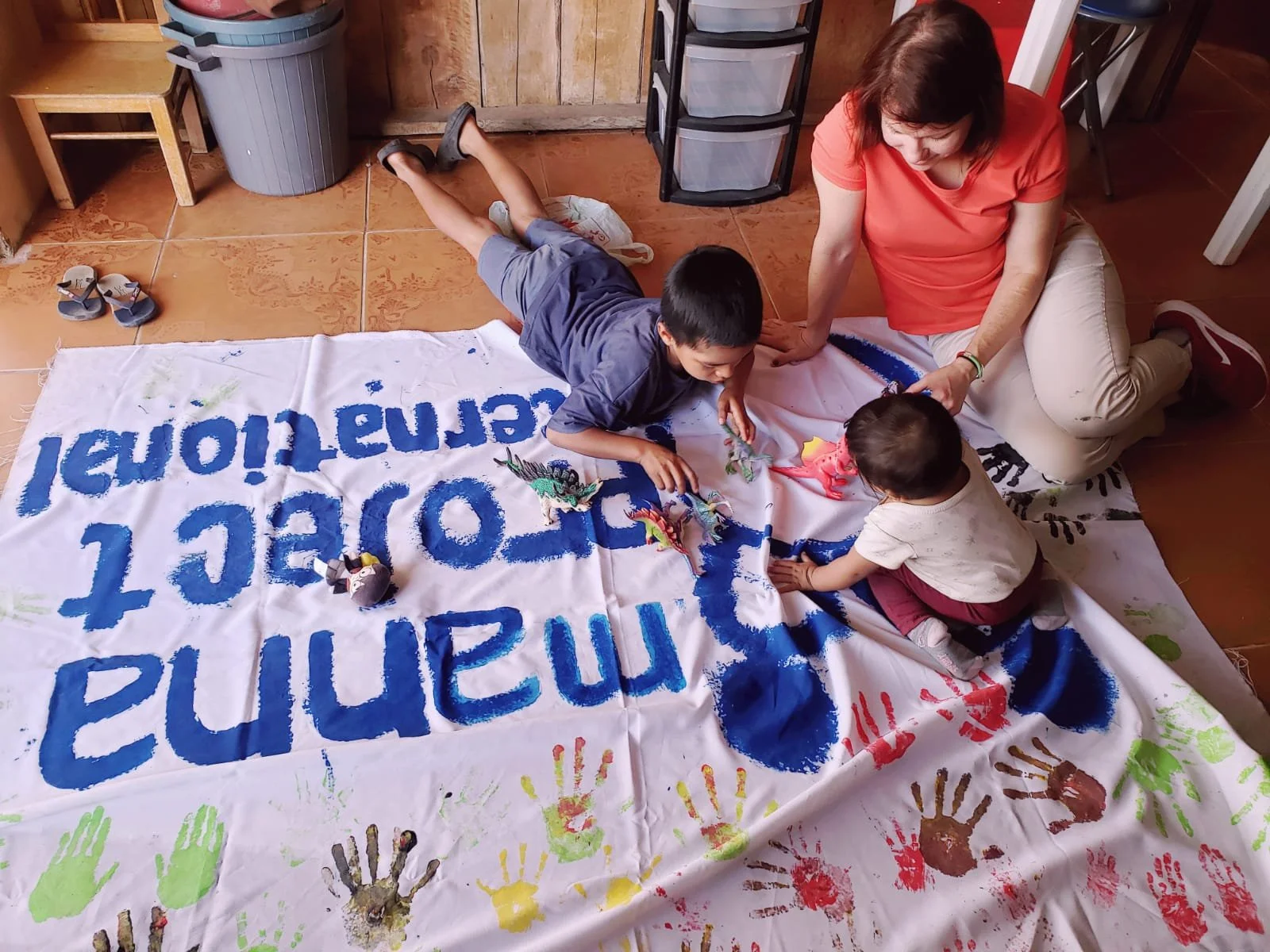
If I can almost smell the clouds, I can most certainly feel them on my skin. The air is thick with heavy, warm humidity that melts into the sweat and sun on my skin. I was apprehensive about the rainforest climate before coming here, but in just a few short weeks, I’ve surprisingly grown to appreciate the omnipresent intensity of the heat, rain, and sun alternating multiple times each day. Just as often each day, I partake in the traditional greeting customary here: a brief and loose handshake, my hand passing that of each community member I greet. My hand too passes over each eager puppy that bounces my way, energetically wagging its tail and nudging my knees and hands as I bend down to pat its head. The kids that run up to me receive a pat on the head as well, before I scoop the little ones up in my arms, where they squirm and grab me and giggle delightedly.
I’ve seen, heard, tasted, smelled, and felt an immense amount in just my first week here, all amounting to a sense of welcome as strong as all the other senses. This sense is of community unlike any other I have experienced before, of vivacity and vibrancy, kindness and care. A packed first week of powerful first impressions has left me fulfilled, curious, proud, and challenged, and most of all, excited for the next 55 weeks of life in Shandia.