Support maternal health, clinic care, and teen mental health programs in Shandia, Ecuador.
A public health volunteer program built alongside Shandia's own health workers, not around them.

1 BILLION PEOPLE LACK ACCESS TO HEALTHCARE SYSTEMS

Poverty leads to ill health and ill health maintains poverty

Early childhood health Impacts long-term wellbeing

Consistent medical care gets harder to reach the further you get from the clinic in town, and over 80% of Shandia lives below the poverty line, which makes that distance matter more.
MPI doesn't run a parallel health system here. We support the one that already exists. Every project below works alongside a local health worker, teacher, or clinic staff member who was already doing this work before we arrived and will keep doing it after a volunteer's term ends. That's the model: local expertise, extra hands.
Ecuador Health & Wellness Programs
Mamitas Program (Maternal and Child Health)
New and expecting mothers in Shandia often navigate pregnancy and infant care with limited access to consistent prenatal support. Mamitas closes that gap directly.
Through prenatal education sessions, infant care workshops, and one-on-one accompaniment throughout pregnancy and early parenthood, the program connects mothers with health information, peer support, and a consistent presence they can count on. Volunteers work alongside health professionals from the Shandia Health Center — showing up regularly, building trust, and making sure no mother goes through those early months without someone in her corner.
Music Therapy Project
Mental health carries a stigma in Shandia the same way it does in most places — and support is even harder to reach this far from a major city. Community health workers have documented rising rates of depression, anxiety, and high-risk behaviors among adolescents, while opportunities for creative expression are extremely limited.
MPI's Music Therapy Program, launched in 2025 in partnership with music therapist Gary Galactico and the local public school, was built to meet that need in a way that doesn't look like therapy on paper but works like it in practice. Weekly sessions combine instrument instruction, songwriting, and group musical activities — giving teenagers a structured, judgment-free outlet with mental health as the underlying focus.
In its first year, 100% of the 44 students reached want the program to continue, and 74% report feeling calmer, happier, and more confident.

Doctor/Clinic Shadowing
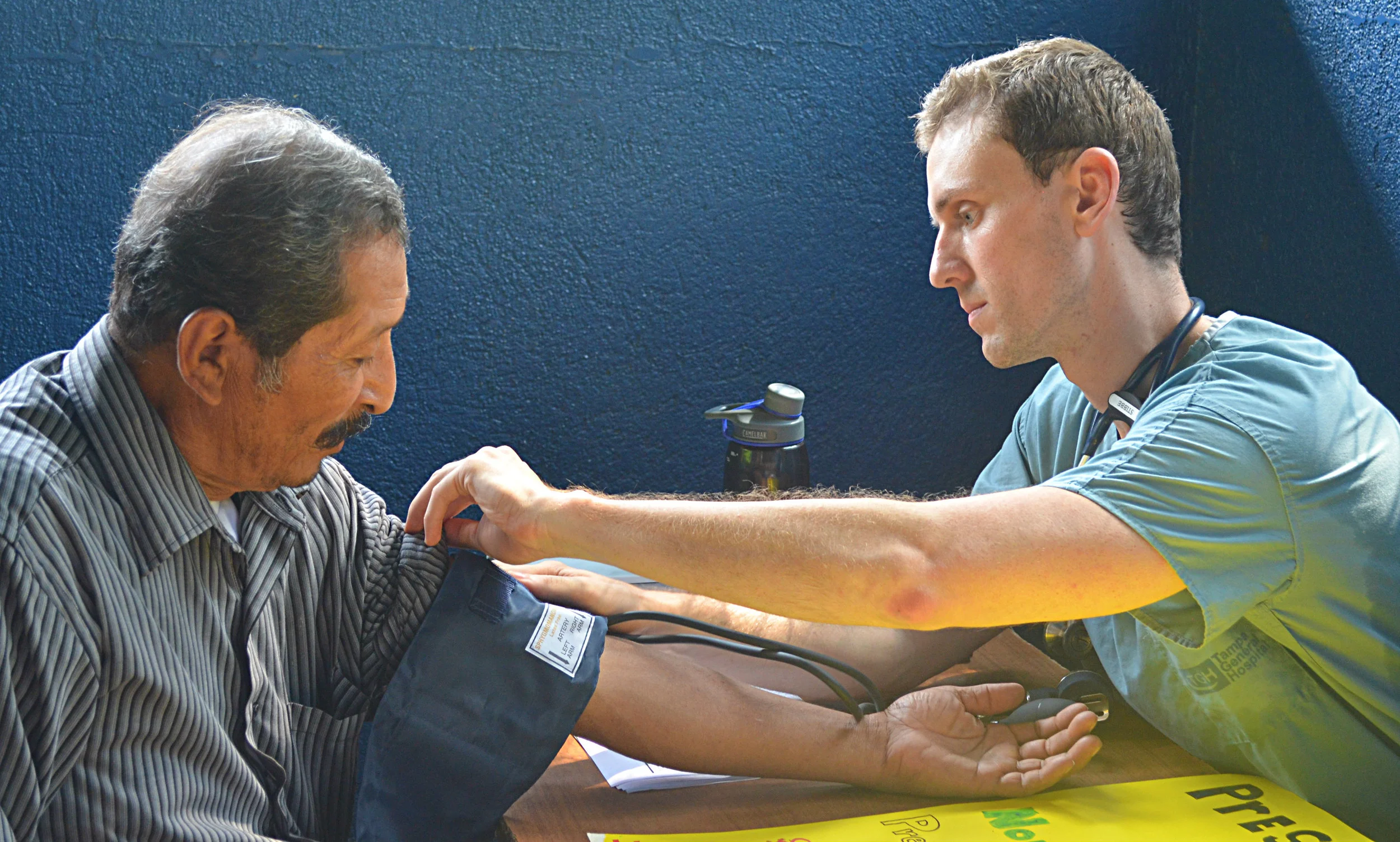
Shandia's local clinic serves the village and runs outreach brigades to more isolated communities across the region, places where a clinic visit might happen only a few times a year. Volunteers support that clinic and those brigades directly: taking notes and vital signs, supporting lectures, and helping with educational outreach.
Teen Club
Teen Club is built around connection, not curriculum. Teenagers in the community (ages 14 to 18) come together weekly for sports and conversation, along with honest conversation about the mental, physical, and sexual health challenges young people are navigating. Led alongside a health professional from the Shandia Health Center, it's open to any teenager who wants to show up
“You cannot achieve environmental security and human development without addressing the basic issues of health and nutrition.”